
When your eCommerce brand starts growing, fulfilment is usually the first thing that creaks. Orders pick up, stock turns faster, and delivery expectations tighten. Doing everything yourself stops being practical pretty quickly.
That’s often when you start looking at using logistics providers, and you’ll have to pick a lane between 3PL vs 4PL. Both mean handing logistics over to someone else, but how this plays out is different.
3PL vs 4PL: Differences at a Glance
| Area | 3PL | 4PL |
| Role | Handles fulfilment operations | Oversees and coordinates logistics operations |
| Warehousing | Owns or operates warehouses | Does not store stock |
| Order fulfilment | Picks, packs, and ships orders | Does not fulfil orders directly |
| Day-to-day control | Direct involvement | High-level management |
| Number of partners | Usually, one main provider | Multiple providers |
| Complexity | Straightforward to run | More layered setup |
| Cost structure | Fulfilment-based pricing | Management and strategy fees |
| Best suited for | Scaling eCommerce brands | Complex, mature supply chains |
What is a 3PL?
A 3PL, or third-party logistics provider, takes care of the physical side of fulfilment for you.
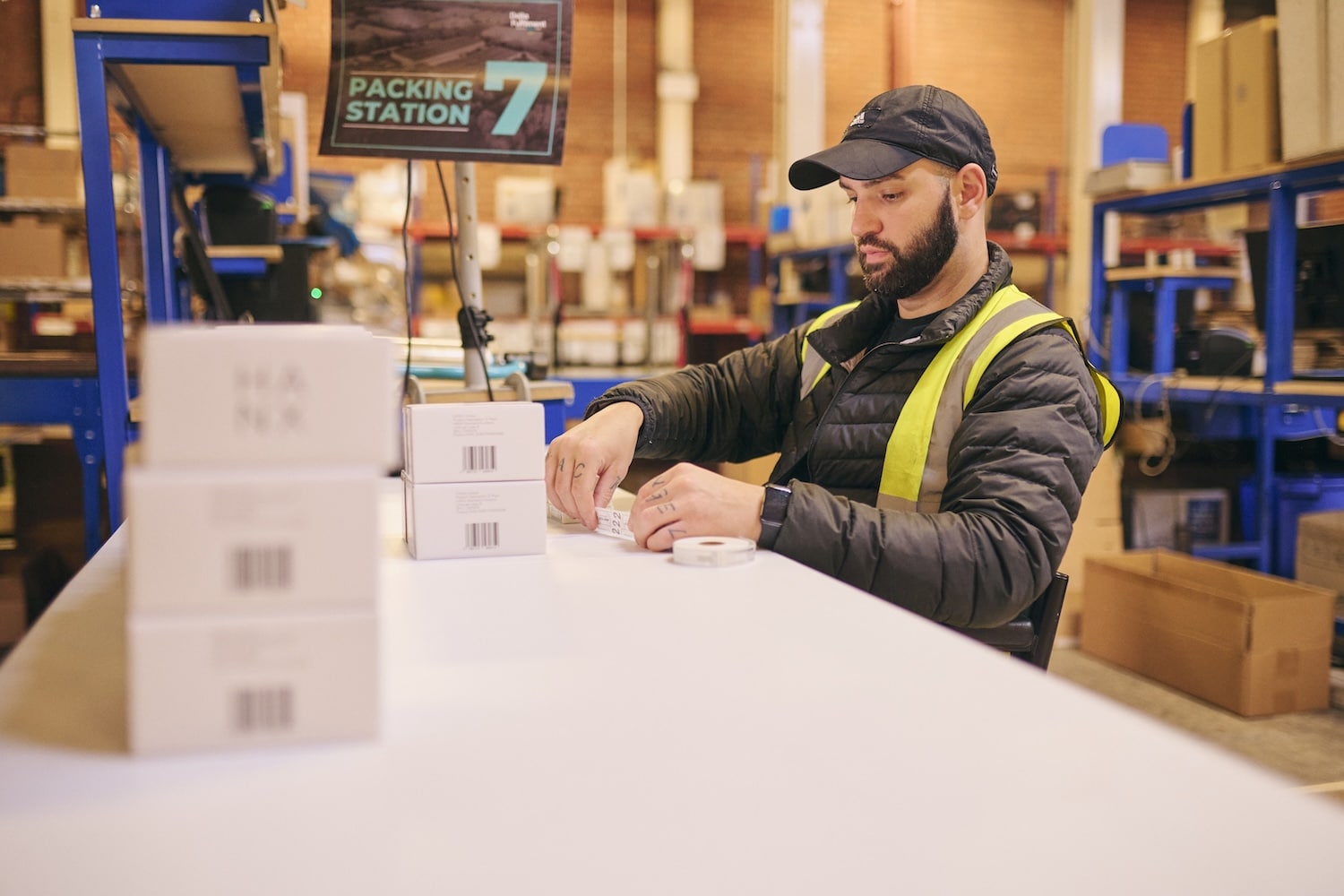
That usually means storing your stock, picking and packing orders, shipping them out, and handling returns. When an order comes in, your 3PL receives it through an eCommerce platform integration and gets it out the door.
For growing eCommerce brands, a 3PL acts as an extension of your business. You stay in control of your products, sales channels, and customer experience, while the fulfilment work happens behind the scenes.
This model works well for brands selling through Shopify, WooCommerce, marketplaces or subscriptions, where speed, accuracy and flexibility matter. You know where your stock is, you can see orders moving in real time, and you’re dealing directly with the team shipping your products.
A 3PL is often the first step away from in-house fulfilment, especially when order volumes rise, and consistency starts to matter more than doing everything yourself.
Pros and Cons of Using a Third-Party Logistics Provider
| Pros of Using a 3PL | Cons of Using a 3PL |
| Keeps fulfilment simple while giving you room to grow | A 3PL focuses on fulfilment rather than wider supply chain and logistics planning |
| Lets you outsource logistics without losing visibility or control | You may still need to coordinate parts of your setup if you use multiple warehouses or partners |
| Stock is stored, orders are picked and packed, and returns are handled by one 3PL provider | At high volumes or wider international scale, some brands outgrow a single 3PL partner and look for a more centralised model |
| Faster dispatch and fewer fulfilment errors | |
| Less time spent managing warehouses, couriers, and daily logistics tasks | |
| Integrates with platforms like Amazon and TikTok so orders flow automatically in real-time | |
| Flexible setup that scales during peak periods | |
| Easy to launch new products, subscriptions or add sales channels without rebuilding your fulfilment |
What is a 4PL?
Instead of storing stock or shipping orders themselves, a fourth-party logistics (4PL) provider manages other logistics partners on your behalf. That might include multiple 3PLs, carriers, freight providers, or warehouses across different regions.
The 4PL becomes your single point of contact and oversees how everything fits together. They focus on planning, coordination and performance rather than packing boxes.
This approach is more common in complex supply chains where there are lots of moving parts. There will likely be multiple warehouses, international freight, different fulfilment partners in different markets, and the need for complex reporting.
For most growing eCommerce brands, a 4PL focuses on managing scale and complexity once operations are already well established, rather than speeding up fulfilment.
Pros and Cons of Using a Fourth-Party Logistics Provider
| Pros of Using a 4PL | Cons of Using a 4PL |
| Designed to oversee the entire supply chain | Does not store stock or ship orders directly |
| A 4PL acts as a central control point across logistics and transportation partners | Adds an extra layer between you and day-to-day fulfilment |
| Useful when you need to manage multiple warehouses, carriers or regions | Less visibility into warehouse operations compared to a 3PL relationship |
| Often also called lead logistics, bringing structure to complex operations | Higher costs due to management and strategy fees |
| Supports wider supply chain management and long-term planning | Can be unnecessary for brands with straightforward fulfilment needs |
| Reduces internal workload by coordinating providers and reporting performance | 4PL may introduce more processes than a growing eCommerce brands needs at this stage |
| Helpful when managing multiple logistics vendors becomes time-consuming |
How 3PL and 4PL Logistics Models Work in Practice
Behind the Scenes of Working With a 3PL Partner
When you work with a 3PL, you send stock to their warehouse and connect your sales channels so orders flow through automatically. They will pick, pack, and ship orders, then manage returns if items are sent back.
You’ll usually have access to real-time dashboards showing stock levels and order status, which helps with planning launches, promotions, and busy periods. This setup suits brands that want to outsource logistics while staying close to day-to-day fulfilment.
How a 4PL Provider Operates Day to Day
Using a 4PL model looks very different as 4PL providers don’t directly fulfil orders or store stock. Instead, they manage how your logistics partners work together, including multiple 3PL providers, freight carriers and transport partners. The 4PL process centres on planning, reporting, and optimisation rather than physical fulfilment.
Businesses often choose a 4PL when they need to manage logistics across regions, channels, or warehouses.
Which is right for a growing eCommerce brand?
There’s no one-size-fits-all answer to what logistics solution is best for a growing eCommerce brand. The match really depends on the business’s current and near-future needs.
Most brands start with first-party logistics. Stock is stored in-house, orders are packed manually, and shipping is booked directly with couriers. This works early on, but as order volumes grow, first-party logistics starts to slow things down and soak up time.
Some businesses then move into second-party logistics 2PL. This usually means keeping fulfilment in-house while using carriers for transportation and logistics. Goods move from one location to another, but you’re still managing stock, orders, and day-to-day logistics processes yourself.
As the number of orders or product lines increases, many brands choose to outsource logistics and work with a 3PL partner. This is often the point where fulfilment becomes a full outsourced logistics services setup rather than a collection of logistics tasks handled internally. A 3PL provider gives you a single, integrated setup that supports growth without overcomplicating operations.
A 4PL is typically better suited to businesses managing the entire supply chain across regions, warehouses, and partners. If you’re working with multiple 3PL providers or running complex global logistics, a 4PL company can bring structure by overseeing coordination and planning across your supply chain management.
Can you move from working with a 3PL to a 4PL later?
Many growing brands start by partnering with a 3PL because it solves the biggest problem first: fulfilment. A 3PL provider removes pressure from day-to-day operations and creates a stable base.
As a business expands, things can change. You might add international warehouses, bring in freight partners, or start working across multiple logistics networks. At that point, managing everything directly can become time-consuming, and partnering with a 4PL is a logical next step.
Moving to a 4PL doesn’t replace the value of a strong 3PL relationship. In many cases, a 4PL works alongside existing 3PL players, not instead of them. For most brands, starting with a 3PL partner and moving towards a 4PL later allows growth without overengineering the entire logistics setup too early.
Keeping Logistics Simple While You Grow
If you’re at the point of weighing up 4PL vs 3PL, the priority is usually getting fulfilment under control without adding layers you don’t need yet. For most growing eCommerce brands, that means choosing a 3PL partner that handles the day-to-day properly, keeps everything visible, and gives you room to scale at your own pace.
Delta Fulfilment is a UK-based 3PL provider built for scaling brands. We handle storage, pick and pack, shipping, and returns, with real-time visibility, a 99.85% pick and pack accuracy rate, and flexible carrier options for UK and international orders. It’s a practical way to get fulfilment working properly today, without locking yourself into a setup that’s bigger than you need.
If you’re looking for a fulfilment setup that’s accurate, flexible, and built to grow with you, it’s worth having a conversation to see if we’re the right fit. Get a quote today, and we’ll walk you through how we handle your fulfilment.