
The UK is Amazon’s second-largest market in Europe, turning over a whopping 33.59 billion US dollars in 2023. However, with over 225,000 European small and medium businesses selling on Amazon, competition is fierce. As an online seller, choosing the right fulfilment strategy will help you maximise your market share and boost your profits.
While some sellers use Fulfilment by Amazon (FBA), which lets Amazon handle storage, packing, and shipping, other businesses prefer Fulfilment by Merchant (FBM). FBM is an excellent option if you want more control over your fulfilment process as you manage every aspect — from storing inventory to packaging and shipping orders.
At Delta Fulfilment, we’ve helped lots of Amazon businesses grow using FBM. Our Amazon Fulfilment Service gives you all of the benefits of using Amazon FBM without any of the hassles of fulfilling the orders yourself. This is a great option for businesses that want to personalise their customer experience, sell unique products, or manage fulfilment with more flexibility and cost control than what FBA can offer.
So, how does Amazon FBM work, and could it be the right strategy for you?
How to Sell on Amazon FBM
Starting out as an FBM seller is pretty simple, but it does take some careful planning to keep things running smoothly. Since FBM is more of a do-it-yourself way to sell on Amazon, you’ll be in charge of every part of the fulfilment process:
Create or Upgrade Your Amazon Seller Account
If you’re new to selling on Amazon, the first step is to create an Amazon Seller Central account. If you plan to sell more than 35 items monthly or want access to advanced selling tools, choose the “Professional” plan.
If you already have an account, check that it’s set up to support FBM. You can review your account settings and update them as needed.
List Your Products on Amazon
Next, list your products on Amazon Marketplace and choose the FBM option. To attract customers, you’ll need to provide accurate product information, including detailed descriptions and high-quality images, and price the products competitively. Amazon has strict rules about what is acceptable, so it’s worth checking their guidelines before you start.
Managing Your Inventory
You’ll have to decide where to keep your stock—whether it’s in your own warehouse, at home, or with a third-party logistics (3PL) provider like Delta Fulfilment. It’s also important to keep a close eye on your stock levels to prevent running out or overstocking. A lot of sellers, especially at the beginning, don’t realise just how important good inventory management is. Using the right inventory management software can help you track your stock in real-time and make sure you’re always ready to meet customer demand.
Handling Orders and Shipping
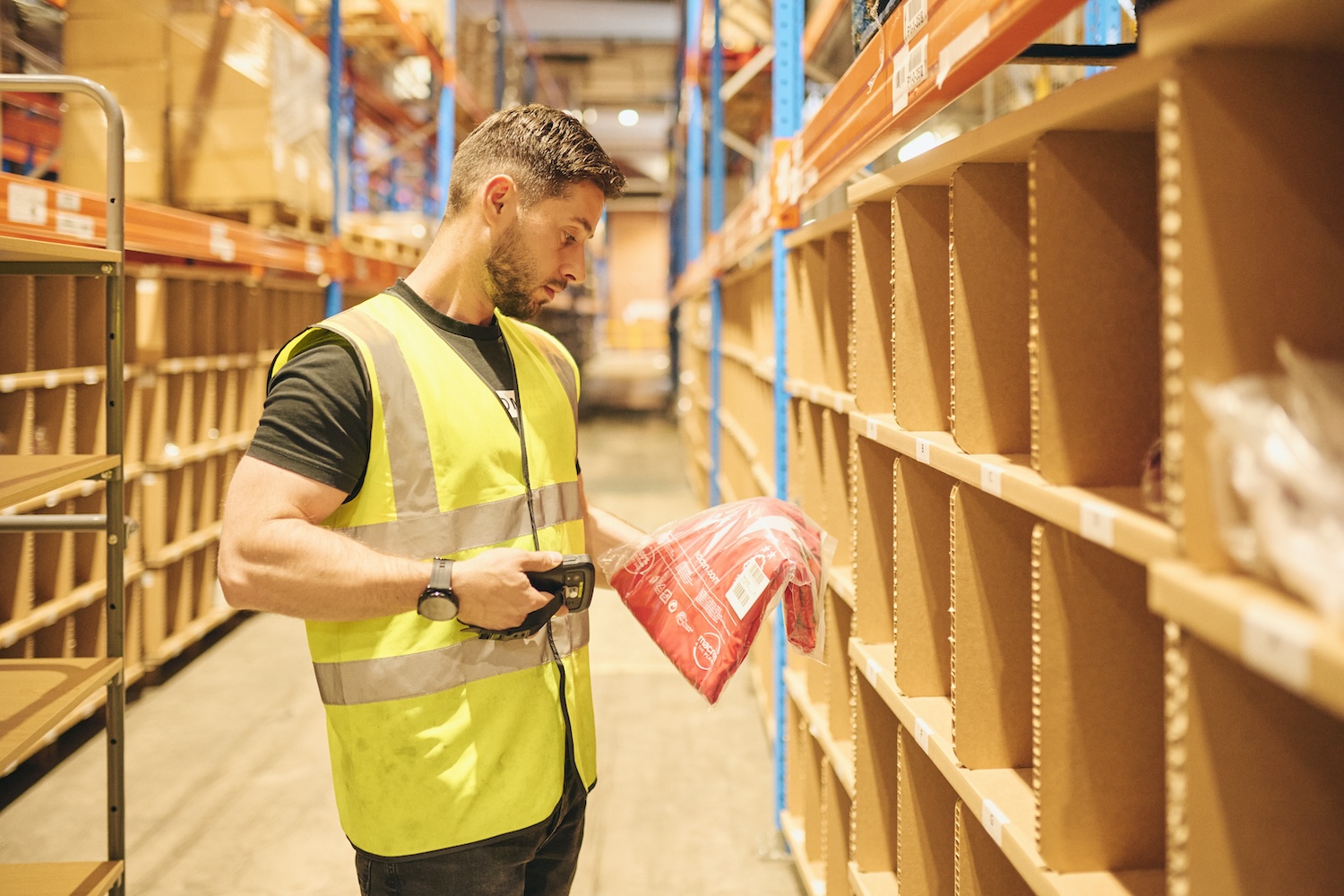
To keep your customers happy, you need to make sure that every order is picked, packed, and shipped as soon as possible. One of the great things about FBM is that you can choose your own packaging materials and shipping options, which is perfect if you want to offer personalised packaging or a more sustainable fulfilment process.
You also get to select the couriers you trust and negotiate the best shipping rates to meet Amazon’s standards. If you plan to sell globally, you’ll need to be prepared to manage international shipping, so you’ll need a reliable shipping partner to avoid any penalties from Amazon.
Managing Customer Service and Returns
With FBM, you will handle all parts of customer service, from answering questions and resolving complaints to managing returns. This provides a more personal service and builds direct relationships with your customers, which can help boost trust and positive reviews.
But it also means you’ll need to invest time and resources to keep your customers happy, so it’s important to have a clear plan for dealing with enquiries, complaints, and returns quickly and professionally. Also, make sure your return policy is easy to find on your product listings to set the right expectations from the beginning.
Keep An Eye On Your Performance Data
To be successful, you will need to regularly monitor your Amazon performance metrics, like your order defect rate, late shipment rate, and customer feedback. These insights are important for keeping your seller status and will help you make adjustments to meet Amazon’s standards and maximise your profits.
When to Choose Amazon Fulfilled by Merchant
Picking the right fulfilment method for your business comes down to a few things, like the products you sell, your business goals, and your customer’s needs. If you’re not sure whether FBM or FBA is the right choice for your business, our helpful FBA vs. FBM Comparison Guide will help you weigh up the pros and cons of each.
Here are some situations where FBM might be the best method of selling for your business:
Temperature-Sensitive or Delicate Products
If you sell products that are temperature-sensitive or require special handling — like food, beauty products, or delicate items — FBM means you manage the storage and shipping conditions directly. This gives you the control to make certain that your goods are handled with care, reducing the risk of damage or spoilage during transit.
Hard-to-Ship Products
FBM is great for products that are bulky, heavy, or unusually shaped, like furniture or large electronics. You’ll also be able to choose the most cost-effective shipping methods for these items, avoiding the higher fees that Amazon charges for shipping awkward items through FBA.
Subscription Boxes, Handmade Products or Gifts
If you’re selling subscription boxes, customised kits, or delicate handmade or unique items, FBM gives you the control to assemble, pack, and ship them exactly how you want. You can include special touches like custom packaging, branded inserts, or promotional materials, creating a personalised experience that can help build customer loyalty.
If your business focuses on gifts, you can provide a bespoke service with personalised packaging, gift messages, or other custom options that can make each order special. This can really make your business stand out during peak seasons like Christmas or Valentine’s Day when customers look for thoughtful gifts.
How Does FBM and Prime Work?
Although Amazon Prime is usually linked to FBA, sellers using FBM can also sell their products with the Amazon Prime badge through the Seller Fulfilled Prime (SFP) program. With SFP, FBM sellers fulfil orders from their own warehouses while providing Amazon Prime benefits like free two-day delivery. It boosts visibility and sales by making products more appealing to Amazon Prime members, which can increase traffic and sales.
To join the Seller Fulfilled Prime (SFP) program, you need to meet Amazon’s strict criteria for fast shipping, reliable customer service, and high performance. This involves completing a trial period to prove that you meet Amazon’s standards, like offering weekend deliveries, using Amazon-approved carriers, and using Amazon’s shipping tools for quick delivery.
How Much Does It Cost to Sell with Amazon FBM?
FBM can be a cost-effective way of selling on Amazon, depending on your products and business model. However, calculating the total cost isn’t that easy – you need to consider all the potential expenses that come with it:
Listing Fees
Just like with FBA, you’ll need to pay Amazon’s standard referral fees for each item sold. This fee is a percentage of the product’s sale price and varies by category. You may also need to pay a subscription fee if you opt for a Professional Selling Plan, especially if you sell in higher volumes.
Storage Costs
If you’re storing inventory yourself, you’ll need to factor in the cost of storage space, whether it’s in your own facility or storage fees in a rented space. This includes rent, utilities, and any other overhead costs related to maintaining your storage area.
Alternatively, if you choose to use a third-party logistics provider, you’ll need to account for their warehousing fees. However, 3PLs often have more flexible and scalable storage solutions that can save you money in the long run.
Shipping Costs
You’ll need to factor in all shipping costs, like packaging materials, shipping labels, and postage, which can really add up depending on the size and weight of your products. With FBM, you can pick your own courier services, secure better rates, or use Amazon’s Buy Shipping service to access discounted rates and reliable delivery.
If you use a 3PL provider, like Delta Fulfilment, you can often secure even better rates than negotiating on your own. Here at Delta Fulfilment, we partner with both national and international couriers to offer heavily discounted rates and flexible delivery options, including green and next-day delivery. Keeping your shipping times competitive is key to meeting Amazon’s delivery expectations.
Customer Service and Returns Costs
Managing your business’s customer service is one of the more unpredictable costs of using FBM, as you’ll need to allocate the time and resources to handle customer enquiries, complaints, and returns. If you get a lot of returns, the costs will quickly add up, particularly if you have to cover return shipping fees. However, investing in good customer service processes can help minimise returns and improve customer satisfaction, potentially reducing these costs over time.
Is FBM cheaper than FBA?
This all really depends on your product turnover, product sizes and overheads for storing, picking, packing and shipping yourself. Once you have a ballpark cost for FBM, you can use Amazon’s FBA revenue calculator to compare costs.
How to Use a Combination of FBM and FBA
Many sellers use both FBA and FBM to get the best of both worlds. With FBA, you can handle fast-selling or popular items to maximise Prime benefits and better visibility. With FBM, you can manage niche, bulky, or slow-selling products to keep costs down and customise the fulfilment process. By splitting your inventory between FBA and FBM, you can better manage stock levels and switch between the two methods depending on demand, season, or cost. This combined strategy helps you save money, reach more customers, and improve customer satisfaction.
To sell as both an FBM and FBA seller, start by setting up or updating your product listings in Amazon Seller Central. Choose which products you want Amazon to handle (FBA) and which ones you’ll manage yourself (FBM). Amazon has strict guidelines for FBA sellers, so make sure you know how to ship to Amazon FBA and then pack and send your inventory to their fulfilment centres. For FBM items, you’ll need to keep track of your own inventory and take care of shipping directly to your customers.
Make Amazon Fulfilment By Merchant Work For You
While FBM gives you full control over your fulfilment process, managing everything in-house can be demanding. That’s where partnering with a third-party logistics provider (3PL) like Delta Fulfilment can make all the difference.
With our Amazon FBM Services, you can offload the operational burden and focus on growing your business. We directly integrate with your Amazon seller account to track orders in real-time, pick and pack products quickly, and guarantee fast, reliable delivery – all while keeping an eye on your inventory so you never run out of stock. You can also choose to add branded packaging and inserts for a more memorable customer experience. Plus, we offer competitive global shipping rates through our trusted courier network, helping you save money and keep your customers satisfied.
Get in touch today to get a quote, and we’ll make FBM work efficiently for you.